The Rise of eSIMs Among Remote Workers: Transforming Global Connectivity
The Evolution of Connectivity
The concept of staying connected has transformed dramatically over the past decade. As more professionals embrace remote work, the demand for reliable and flexible connectivity solutions has surged. Enter the eSIM, a game-changer in how we manage mobile data and stay connected globally.
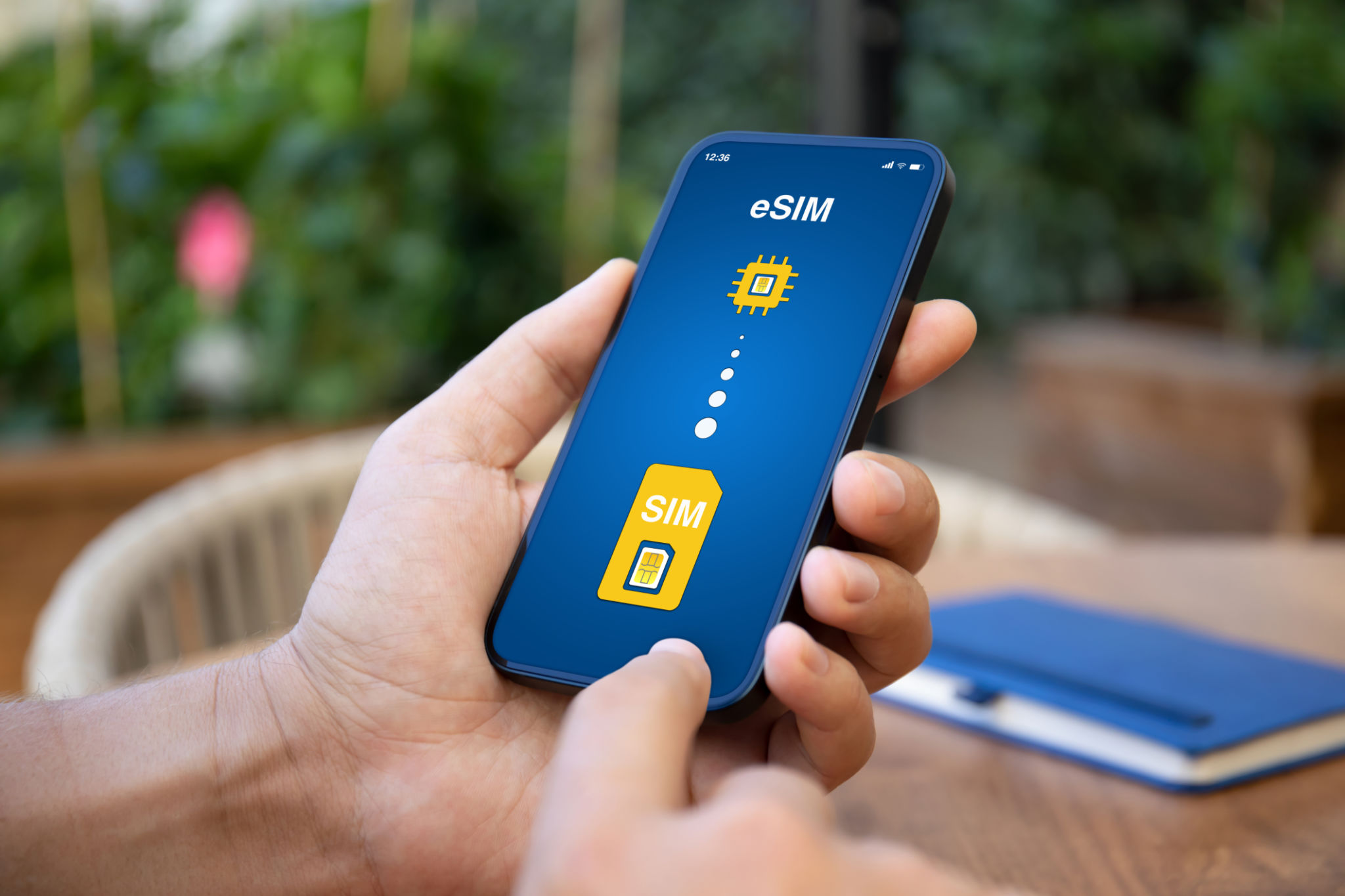
An eSIM, or embedded SIM, is a digital SIM that allows users to activate a cellular plan without the need for a physical SIM card. This technology is increasingly popular among remote workers who travel frequently, offering unparalleled flexibility and convenience.
Why eSIMs Are Gaining Popularity
There are several reasons why eSIMs are becoming essential for remote workers. Firstly, eSIMs eliminate the hassle of swapping physical SIM cards when traveling internationally. This means no more searching for local SIM cards or dealing with roaming charges.
Additionally, many eSIM providers offer competitive pricing and data plans tailored for frequent travelers. This allows remote workers to stay connected without breaking the bank, making eSIMs a cost-effective solution for global connectivity.

Convenience and Flexibility
The convenience of eSIMs extends beyond cost savings. Remote workers can easily switch between multiple cellular plans directly from their device settings. This is particularly useful for those who have to juggle between personal and work numbers or need different plans for different regions.
Moreover, eSIMs are supported by a growing number of devices, including smartphones, tablets, and laptops. This widespread compatibility ensures that remote workers can use eSIM technology regardless of their preferred device.

Impact on Global Connectivity
The rise of eSIMs is not just about individual convenience; it impacts global connectivity as a whole. By simplifying the process of connecting to local networks, eSIMs help reduce barriers for businesses operating internationally, enhancing collaboration and productivity.
For companies, this means easier management of mobile plans for their remote workforce, enabling seamless communication and data sharing across borders. The increased adoption of eSIMs is paving the way for a more interconnected global economy.
Security and Reliability
Security is a critical consideration for remote workers. eSIMs offer enhanced security features compared to traditional SIM cards. The digital nature of eSIMs makes them less susceptible to physical theft or loss, providing peace of mind for users.
Furthermore, eSIM technology allows for more reliable network connections. With the ability to connect to multiple networks, remote workers can ensure they have the best possible coverage wherever they are, minimizing downtime and enhancing productivity.

Embracing the Future of Work
As remote work continues to grow, so will the demand for technologies like eSIMs that support flexible and reliable connectivity. Businesses and individuals alike are beginning to recognize the advantages of this technology, driving further innovation and adoption.
In conclusion, the rise of eSIMs among remote workers is transforming global connectivity, offering a glimpse into the future of mobile communication. As this trend continues, we can expect even more advancements that will further enhance the remote work experience.